Figures as of 2026-11-18 · page checked 2026-11-18
Reptiles in Jim Corbett National Park number 25 species by Wikipedia's infobox and 33 by its text; we give both because we cannot tell which is the more recent count. The same source lists 7 amphibians, 7 fish and 36 dragonfly species. The reptiles that visitors actually see, and ask about, are three: the gharial, the mugger crocodile and the king cobra.
Gharial and mugger in the Ramganga
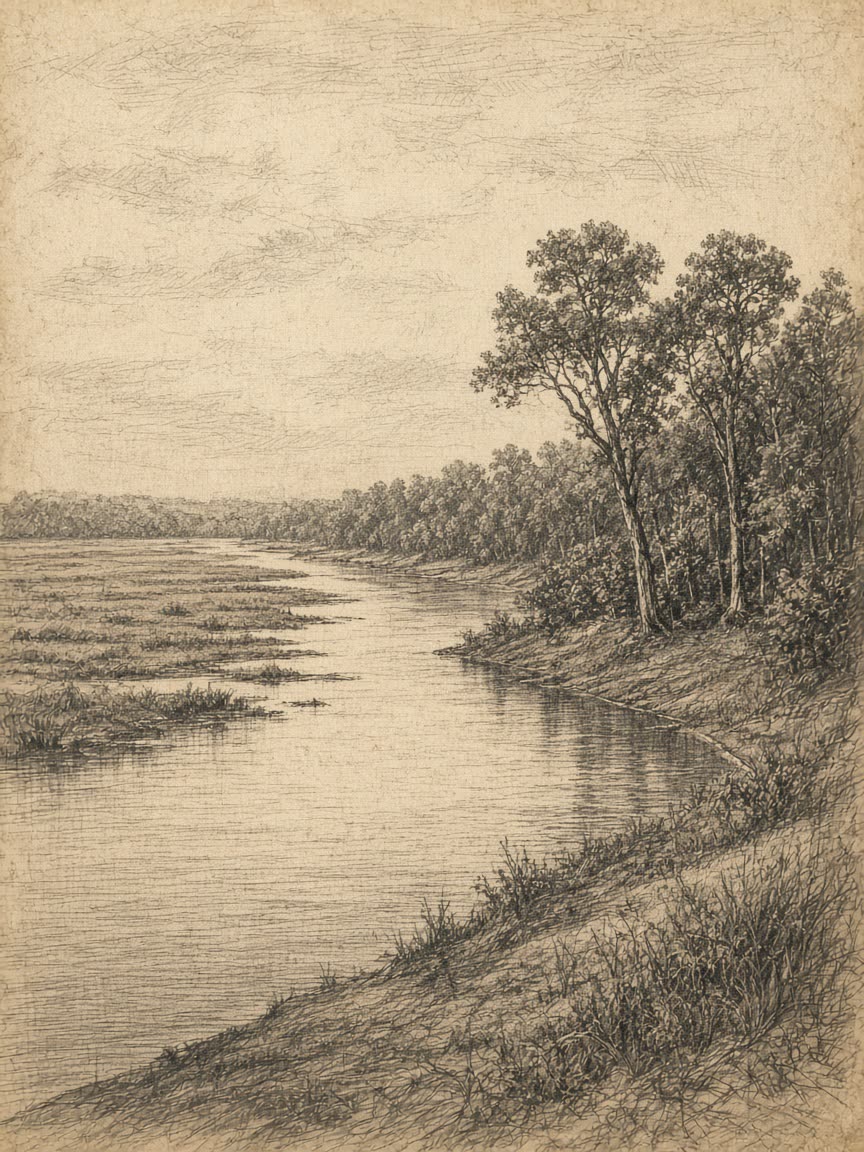
The NTCA brief note records both gharial and mugger (which it calls "crocodile") in the Ramganga. Wikipedia adds that both marsh crocodile and gharial were released into the river, so the populations you see are at least partly the result of restocking rather than survivors from before the dam. The two share the same water but not the same habits. The gharial, with its long narrow snout, is a fish-eater that basks on sandbanks and rarely leaves the river. The mugger is broader-snouted, will take larger prey, and moves between pools and the reservoir margin.
The best place to see either is from the Dhikala side, where the Ramganga slows into the Kalagarh reservoir and the gravel beds and sandbanks give basking space. Winter mornings, once the sun is on the sand, are when both species haul out; in the hot weather they spend more time in the water. The reservoir edge below the Dhikala complex and the river crossings on the Dhikala road are the usual viewpoints. Ask your guide to stop at the river; a canter will not wait long, a jeep will. See the Dhikala zone page for how the zone is arranged.
King cobra
The king cobra is listed on the official Dhela zone page and in the Nature inFocus Dhikala guide, which makes it one of the few snakes for which we have a Corbett record. It lives in the moist sal forest and along stream edges, and sightings are rare: most come from forest staff rather than tourists. If you see a very large, plain-coloured snake crossing a track with its head raised, that is what it is. Stay in the vehicle, let it pass and let your guide note the sighting.
Fish, amphibians and the rest
The golden mahseer is the fish Corbett is known for, listed by Nature inFocus for the Ramganga. It is the reason the Kosi outside the park has a sport-fishing tradition, though fishing is not permitted inside the reserve. Wikipedia's counts of 7 fish and 7 amphibian species are low for a river system this size and almost certainly reflect limited survey work rather than a thin fauna; the 36 dragonfly species are a better sign of how much life the river supports. Pythons, monitor lizards and turtles are the reptiles a visitor might expect in this habitat, but none of our sources record them for Corbett, so we do not list them.
Seasonality
Crocodilians are easiest to see in the cool months, November to February, basking in the first hours of sun. Snakes are a monsoon and post-monsoon story, July to October, when most of the reserve is closed; Jhirna and Dhela, open all year, are where a monsoon visitor might see them. By April and May the reptiles are in the water or underground during the day and the mammals take over the stage. The best time page has the months in one place.
Sensible safety notes
- Stay in the vehicle at river crossings and on the reservoir edge. Crocodiles are rarely a problem for people in Corbett, but the rule exists for a reason and the guide will enforce it.
- At the forest rest houses, use a torch after dark and keep doors closed. Snakes come to the lights for the insects, not for you.
- Do not go down to the river from the Dhikala complex or any rest house. It is against the rules and it is where the muggers are.
- If you are bitten by a snake anywhere near the park, the nearest hospital is in Ramnagar; tell the forest staff at once rather than waiting to see what happens.
For the rest of the reserve's animals, see Jim Corbett wildlife, mammals and birds, all of which share the river with these reptiles.
FAQ
Reptiles: Jim Corbett FAQ
- Are there crocodiles in Jim Corbett National Park?
- Yes, two kinds. The NTCA brief note records gharial and mugger crocodile in the Ramganga, and Wikipedia notes that both were released into the river. They are best seen basking on sandbanks on winter mornings from the Dhikala side.
- Is the king cobra found in Jim Corbett?
- Yes. It is listed on the official Dhela zone page and in the Nature inFocus Dhikala guide. Sightings are rare and usually by forest staff rather than visitors.
- How many reptile species are in Jim Corbett?
- Wikipedia gives 25 species in its infobox and 33 in its text, along with 7 amphibians, 7 fish and 36 dragonfly species. We could not find an official checklist from the reserve itself.
Ready to see a wild tiger?
From the first call to the last transfer, we're with you. We book the safari zones the day they open, choose the lodges, arrange every train, flight and road journey, and stay on call while you travel.
Plan My Safari