Sariska Safari: Zones, Timings, Closed Days and Booking
By Tiger Safaris field team · Published · Updated
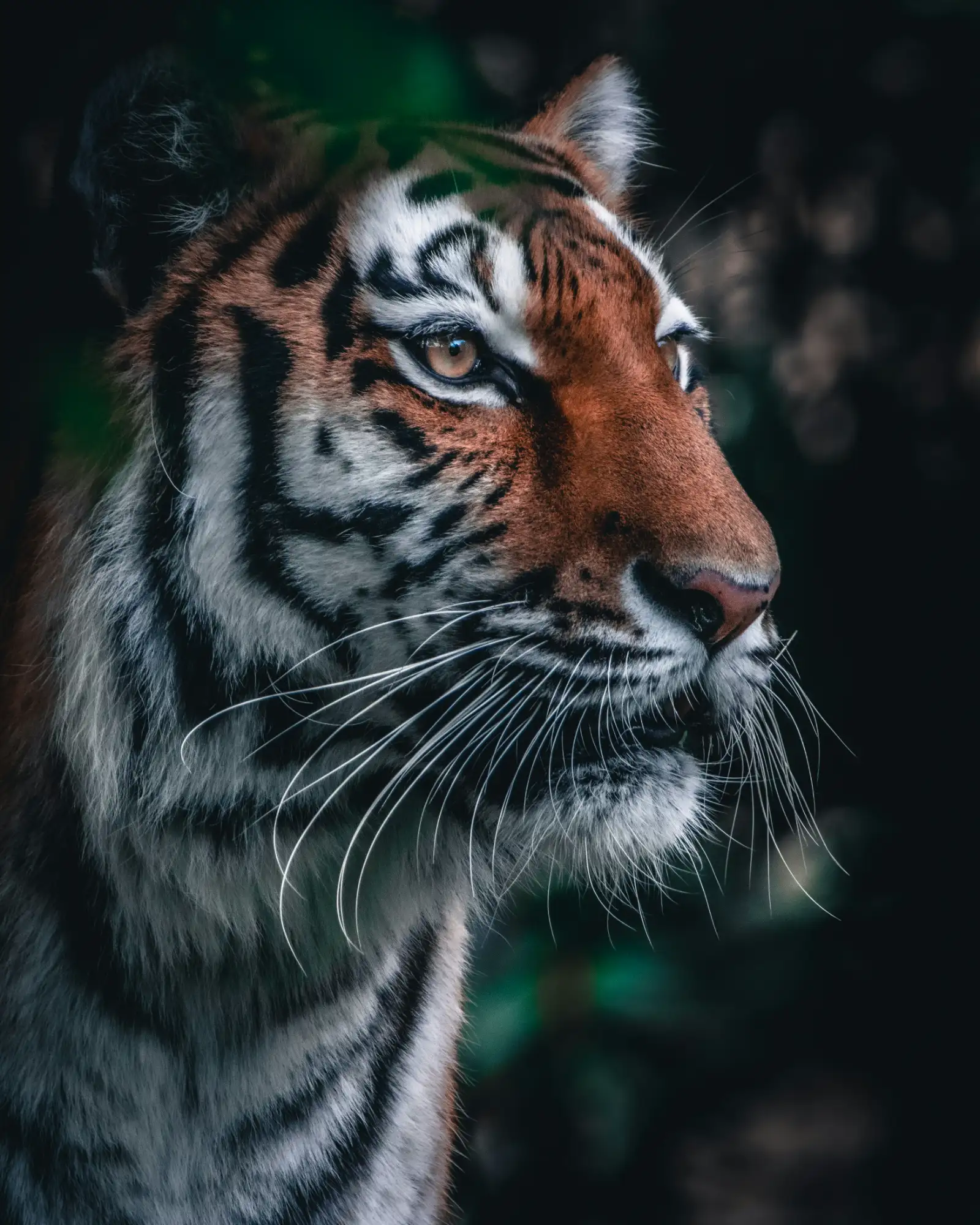
Sariska safaris run in two slots a day, roughly 6:00 to 9:30 and 15:00 to 18:30, in Zones 1, 2 and 3 of the reserve. The park is closed for safaris on Wednesdays, and most of it closes from July to September. Permits are sold through the Rajasthan Forest Department, the same system as Ranthambore.
Zones
| Area | What you see |
|---|---|
| Zone 1 | Core safari route; ask your guide which waterholes are active |
| Zone 2 | Includes Kankwari Fort, reopened to visitors |
| Zone 3 | Core safari route; a good choice for a second drive |
| Buffer (Balaqila, Bhakheda, Siliserh) | 3, 4 or 6 hour safaris sold at the local ticket windows; also run in the monsoon |
The innermost core is closed to tourists. Safaris run in the part of the core the department calls Core 1, split into the three zones above.
When to go
- October to March: peak season. Cold mornings, good birding and the most comfortable drives.
- April to June: hot, and the forest thins out. Animals gather near water, which can make sightings easier.
- July to September: most of the park closes. The buffer safaris continue.
The Wednesday rule
Sariska safaris do not run on Wednesdays. When the forest department revised fees on 1 April 2026, visitors only began paying the new rates on 2 April because 1 April fell on a Wednesday. Check the day of the week before you plan a Delhi weekend that runs midweek.
Booking tips
- Book the evening safari on arrival day and the morning one next day. Two drives across two zones roughly doubles your chances.
- Gypsy or canter. A gypsy takes six people; a canter is a shared open truck. Families and photographers prefer a gypsy. See gypsy vs canter.
- Carry the ID you booked with. Names are matched against originals at the gate.
- Fees rise every April. Rajasthan increases Sariska and Ranthambore fees by about 10% each year from 1 April.
Sariska's tigers
Sariska lost its tigers to poaching in the early 2000s. Tigers were moved in from Ranthambore, and a second generation has been born since. A 2026 park guide estimates 14 tigers. Sightings are less predictable than in Ranthambore, which is why we suggest two or three drives. Leopards, sambar, nilgai and peafowl are seen on most drives.
See Sariska zones for more detail, or book with us and we will arrange permits, the vehicle and a stay at the gate.