How Many Tigers Are in India? Census Numbers and Park Counts
By Tiger Safaris field team · Published · Updated
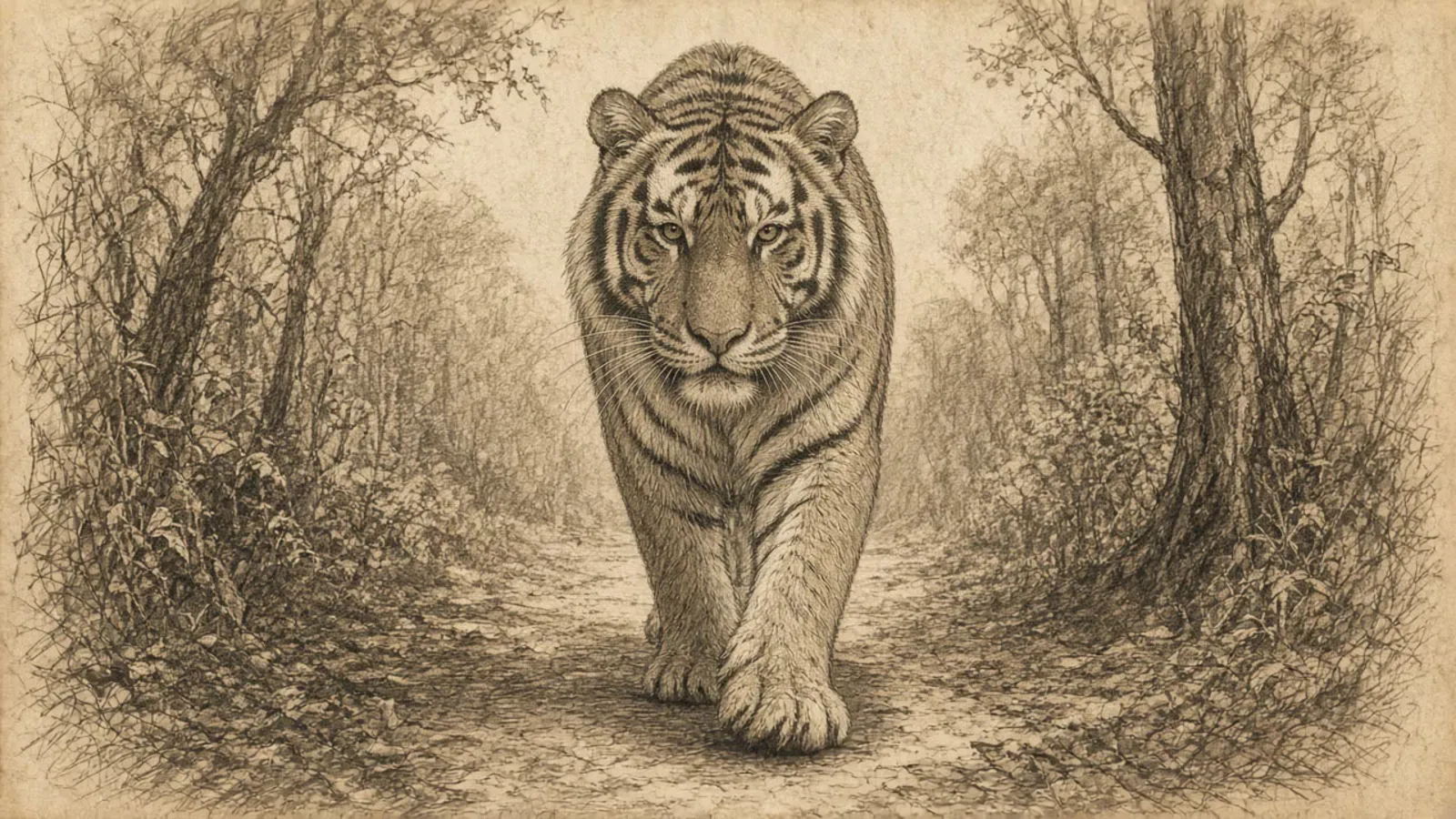
India has about 3,682 wild tigers, according to the last completed national census, the All India Tiger Estimation 2022. The government's release gave that as the average estimate, with an upper limit of 3,925 (PIB, 29 July 2023). A newer count, the 2026 estimation, is under way and its national result is not expected until 2027, so 3,682 remains the official figure in late 2026. India is home to roughly three quarters of the world's wild tigers (Business Standard).
Two numbers you will see: 3,167 and 3,682
In April 2023 the government first announced 3,167 tigers. That was a minimum count: the number of individual tigers actually photographed by camera traps, each identified by its stripe pattern. In July 2023 the Wildlife Institute of India published the full analysis, which added an estimate for tiger areas without camera traps, using signs such as pugmarks and scat. That gave the average of 3,682. Both numbers are correct; they answer different questions.
How the count has grown
| Census year | Tigers (estimate) |
|---|---|
| 2014 | 2,226 |
| 2018 | 2,967 |
| 2022 | 3,682 |
The 2014 and 2018 figures are from a government answer in Parliament (Lok Sabha). The census runs every four years, so the 2022 result is the latest complete national picture.
Which states have the most tigers?
Madhya Pradesh had the most tigers in 2022, with 785, followed by Karnataka (563), Uttarakhand (560) and Maharashtra (444), according to the same PIB release. Two of our five parks, Panna and Satpura, are in Madhya Pradesh; Jim Corbett is in Uttarakhand; Ranthambore and Sariska are in Rajasthan.
Tigers in the five parks we cover
Reserve-level counts are published at different times and by different officials, so each number below carries its own date. Follow the links for the full history and sources.
| Park | Latest figure | Date | Details |
|---|---|---|---|
| Jim Corbett | 260 (highest of any reserve in 2022); "more than 320" across the wider Corbett landscape | 2022 census; November 2026 | Jim Corbett tigers |
| Ranthambore | 72 (about 50 adults and 22 cubs) | July 2026 | Ranthambore tigers |
| Panna | Around 80 to more than 100 | July 2026 | Panna tigers |
| Satpura | 61 camera-trapped, about 80 estimated | 2023 | Satpura tigers |
| Sariska | 58, more than half of them cubs | October 2026 | Sariska tigers |
Do more tigers mean a better safari?
Not on their own. What matters on a drive is density, how open the forest is and how used the tigers are to vehicles. Corbett has the largest population but dense sal forest and tall grass. Ranthambore has far fewer tigers but dry, open country where they are easier to see. Sariska's count has more than doubled in a few years, yet much of the growth is cubs, which stay hidden. Our guide to tiger sighting chances compares the parks on the things that actually decide a sighting.
Season matters as much as numbers. From March to June, leaves drop and animals stay near water, so sightings rise everywhere. The best time for a tiger safari guide goes through each month.
What about the 2026 census?
Field work for the All India Tiger Estimation 2026 has been completed in many states. Early reserve results are coming out: Amrabad Tiger Reserve in Telangana, for example, identified 42 individual tigers against 36 last time (Telangana Today, June 2026). News reports expect the national report in 2027. We will update this page and each park's tiger page when the official figures are released.
Why the numbers matter for visitors
Every safari permit fee goes to the forest department that runs these protections, and the parks with the strongest recoveries, such as Panna and Sariska, were rebuilt after losing every tiger. A well-run safari is part of that story. If you want to see one of these tigers in the wild, tell us your dates and we will suggest the park and season that give you the best chance.