Best Tiger Safari in India: How to Choose Between Five Parks
By Tiger Safaris field team · Published · Updated
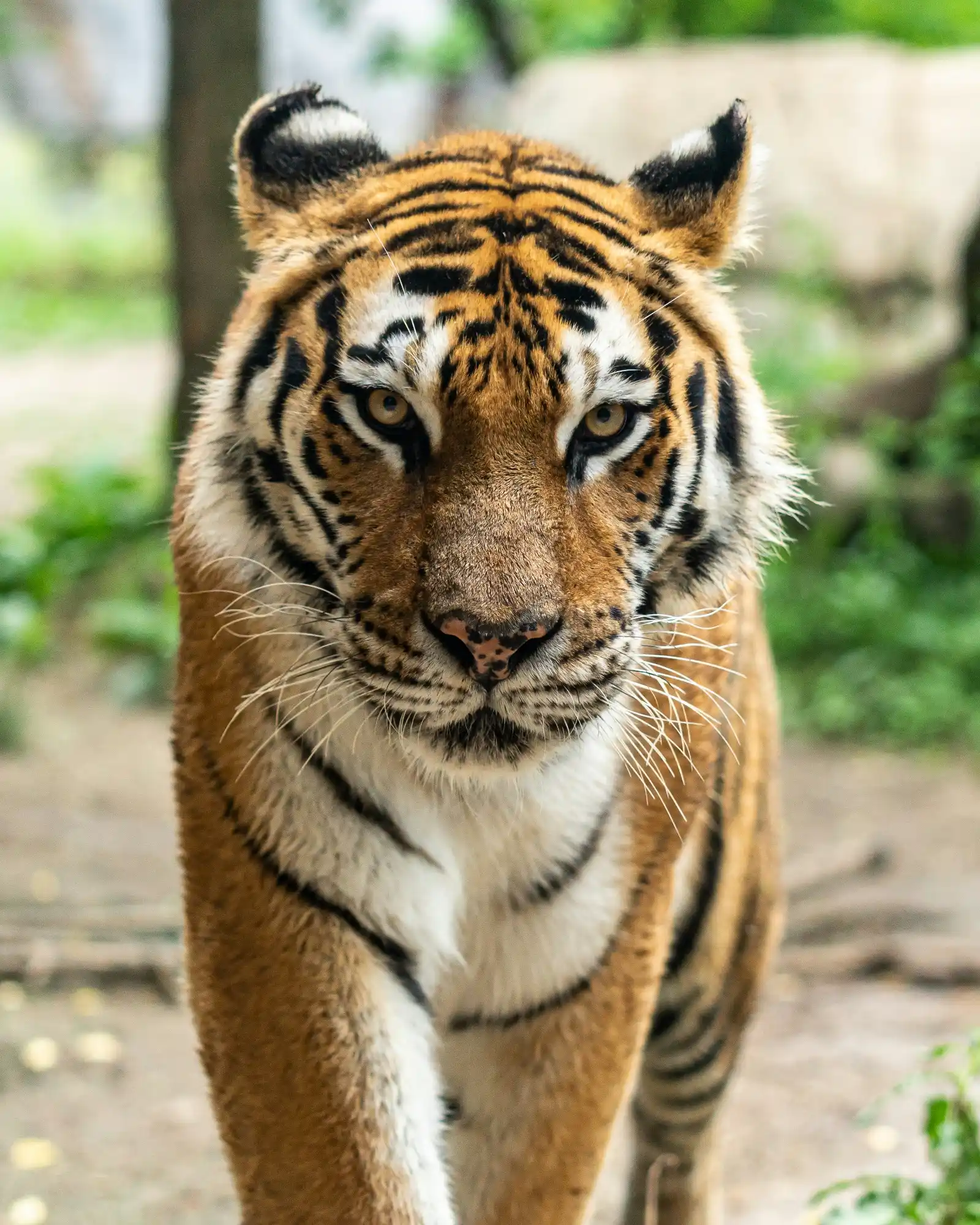
India had an estimated 3,682 wild tigers in the 2022 national tiger estimation, about three quarters of the world's total. Madhya Pradesh had the most (785), followed by Karnataka (563) and Uttarakhand (560), and Corbett Tiger Reserve alone held about 260. Choosing a park is less about where tigers exist and more about how you want to travel: how far you can go, when, and what kind of safari you want.
The short answer
| If you want | Go to | Why |
|---|---|---|
| A first tiger safari with good odds | Ranthambore | Open dry forest, lakes and a fort; easy train access from Delhi and Jaipur |
| A weekend from Delhi | Jim Corbett | Ramnagar is about 260 km by road; some zones open all year |
| Walking, canoeing and few vehicles | Satpura | Limited vehicles, foot and water activities allowed |
| Gorges, the Ken river and a comeback story | Panna | 43 km from Khajuraho; tigers reintroduced after 2009 |
| A short trip close to Delhi or Jaipur | Sariska | About 4 hours from Delhi; forts and temples inside the reserve |
Ranthambore: the classic first safari
Ranthambore's dry deciduous forest is open, so animals are visible at a distance, and its lakes draw tigers in the hot months. The 10th-century fort and ruined pavilions give it a backdrop no other tiger park has. The trade-off is demand: permits for the lake zones sell out early in winter. Read how to book a Ranthambore safari.
Jim Corbett: forest, river and elephants
Corbett is India's oldest national park, in the Himalayan foothills. It is sal forest, grassland and the Ramganga river, with wild elephants and good birding. Tigers are harder to spot in the dense forest than in Ranthambore, but the variety is wider. Jhirna and Dhela are open all year; Bijrani opens on 15 October and Dhikala on 15 November.
Satpura: on foot and by water
Satpura is the park to choose if you want more than a jeep. Walks on set routes, canoeing and cycling are allowed, and Madhai allows a limited number of vehicles per day, so drives are quiet. Tiger sightings are less frequent than in Ranthambore; leopards, sloth bears and gaur are the regular rewards.
Panna: gorges and a second chance
Panna lost all its tigers to poaching by 2009. Tigers were reintroduced that year, and within six years the population had produced more than 50 individuals. Today it is a quiet park of plateaus, gorges and the Ken river, and it pairs naturally with the temples at Khajuraho.
Sariska: closest to Delhi
Sariska is in the Aravalli hills, about 180 km from Delhi airport and 120 km from Jaipur airport. Its tigers also disappeared, around 2004, and were brought back from Ranthambore. Kankwari Fort, the Pandupol temple and Bhangarh nearby make it a good half-wildlife, half-heritage trip. Safaris are closed on Wednesdays.
How many safaris to plan
Plan at least three drives in one park, over two nights. If you have a week, combine two parks: Ranthambore with Sariska, or Panna with Satpura. See our tours for two-park routes.
Tell us your dates, starting city and group, and we will suggest the park that fits: plan your safari.